Easy Pasta Primavera with Fresh Spring Vegetables
Published November 6, 2025
This Pasta Primavera brings together tender penne, vibrant seasonal vegetables, and a silky garlic-Parmesan sauce that feels indulgent without weighing you down. It comes together in one pan in under an hour, making it the perfect wholesome weeknight dinner. Every forkful is bright, nourishing, and deeply satisfying.
↓ Jump to Recipe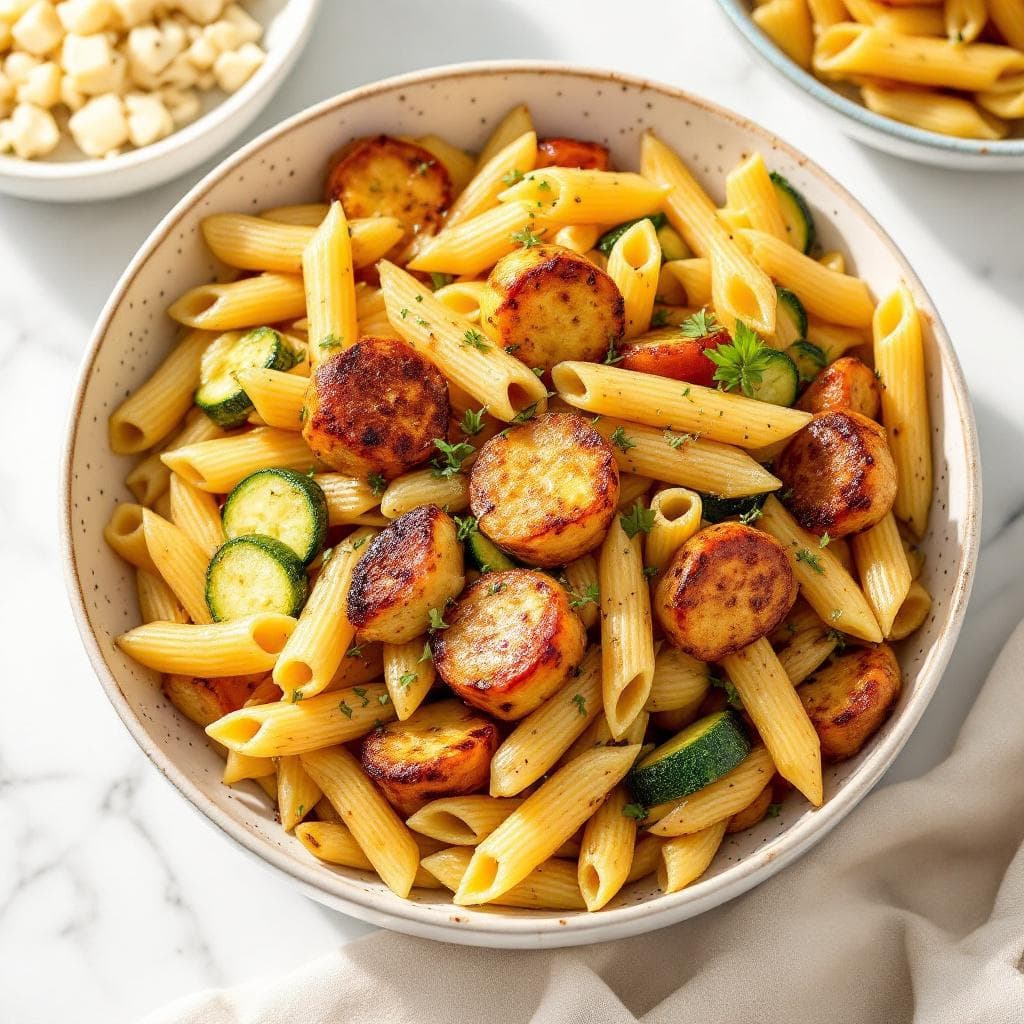
The first time I made Pasta Primavera, I was standing in my kitchen on a Saturday in late April with a refrigerator that looked like a farmers market had moved in overnight. There were asparagus spears threatening to tip over in the crisper, a zucchini that had grown to an almost alarming size, cherry tomatoes rolling loose on the middle shelf, and a bunch of peas still in their pods that my neighbor had dropped off without warning. I had pasta in the pantry, a knob of Parmesan in the cheese drawer, and a quiet afternoon stretching ahead of me. That improvisational afternoon turned into one of the most genuinely joyful cooking experiences I can remember, and this recipe was born from exactly that kind of happy, unplanned abundance.
What sets this version apart is the technique of building flavor in layers directly in the skillet. Instead of boiling the vegetables separately or tossing everything together at the last second, each vegetable gets a brief moment in a hot pan with good olive oil so it develops a little color and releases its natural sweetness. The garlic and a splash of starchy pasta water go in next, creating a glossy, emulsified sauce that clings to every piece of penne rather than pooling at the bottom of the bowl. A generous finish of freshly grated Parmesan and a squeeze of lemon juice lifts the entire dish and ties all the flavors together. No heavy cream, no complicated steps, just honest technique that honors the vegetables.
Pasta Primavera is at its absolute best from late spring through early summer, when asparagus is still sweet and tender, zucchini is young and firm, and cherry tomatoes are bursting with flavor. That said, this recipe is forgiving and adaptable enough to work with whatever produce looks best at your market any time of year. It is a wonderful choice for a light weeknight family dinner, a meatless Monday celebration, or an easy meal to bring to a gathering where you know someone is eating vegetarian. If you are cooking for picky eaters or kids, the colorful mix of vegetables tends to invite curiosity rather than resistance.
Once you have your vegetables prepped and your pasta water on the boil, this dish moves quickly and rewards your attention. The instructions below walk you through each step in order so nothing gets overcooked and everything lands on the table hot and vibrant. Grab your largest skillet, put some good music on, and get ready for a dinner that genuinely tastes like the season on a plate.
Prep
15 min
Cook
30 min
Total
45 min
Servings
4 servings
Calories
480 / serving
Ingredients
- 12 ounces penne pasta
- 3 tablespoons extra-virgin olive oil, divided
- 1 cup asparagus, trimmed and cut into 1-inch pieces
- 1 medium zucchini, halved lengthwise and sliced into half-moons
- 1 cup cherry tomatoes, halved
- 1 cup frozen peas, thawed
- 1 medium yellow bell pepper, thinly sliced
- 4 cloves garlic, minced
- 1 teaspoon crushed red pepper flakes
- 1 medium lemon, zested and juiced
- 1 cup freshly grated Parmesan cheese, plus more for serving
- 1/2 cup loosely packed fresh basil leaves, torn
- 3/4 teaspoon kosher salt, plus more for pasta water
- 1/2 teaspoon freshly ground black pepper
Instructions
- 1
Bring a large pot of generously salted water to a boil over high heat. Add the penne and cook according to package directions until just al dente, about 9 to 11 minutes. Before draining, use a heatproof measuring cup to scoop out 1 cup of the starchy pasta water and set it aside. Drain the pasta and set it aside as well.
- 2
While the pasta cooks, heat 2 tablespoons of the olive oil in a large skillet over medium-high heat. Once the oil is shimmering, add the asparagus and bell pepper. Cook, stirring occasionally, for 3 to 4 minutes until the asparagus is bright green and slightly tender but still has a bite.
- 3
Add the zucchini to the skillet and continue cooking for 2 to 3 minutes, stirring a few times, until it softens slightly and picks up a little golden color on the edges. Season the vegetables with 1/2 teaspoon of the salt and the black pepper.
- 4
Push the vegetables to the outer edges of the skillet and reduce the heat to medium. Add the remaining 1 tablespoon of olive oil to the center of the pan, then add the minced garlic and red pepper flakes. Cook the garlic for 30 to 60 seconds, stirring constantly, until fragrant. Stir everything together to combine the garlic with the vegetables.
- 5
Add the cherry tomatoes and thawed peas to the skillet. Stir gently and cook for 1 to 2 minutes, just until the tomatoes begin to soften and release a little of their juice. Pour in 1/2 cup of the reserved pasta water and stir to combine, scraping up any browned bits from the bottom of the pan.
- 6
Add the drained pasta to the skillet. Toss everything together over medium heat, adding more pasta water a few tablespoons at a time if the sauce looks dry. The goal is a light, glossy coating that clings to the pasta rather than a watery sauce at the bottom.
- 7
Remove the skillet from the heat. Add the lemon zest, lemon juice, and the remaining 1/4 teaspoon of salt. Sprinkle in the Parmesan and toss vigorously until the cheese melts into the sauce. Taste and adjust seasoning as needed. Fold in the torn basil leaves and serve immediately, topped with extra Parmesan.
Tips and Tricks
- ✓Make it gluten-free by swapping the penne for your favorite gluten-free pasta. Brown rice penne or chickpea pasta both hold up well to tossing with vegetables and work beautifully in this dish.
- ✓Store leftovers in an airtight container in the refrigerator for up to 3 days. When reheating, add a small splash of water or vegetable broth to the pan over medium-low heat to loosen the sauce and bring the pasta back to life without it drying out.
- ✓To get ahead on weeknights, prep all your vegetables up to two days in advance and store them in separate containers in the refrigerator. Having everything ready to go means this meal can be on the table in under 20 minutes once you start cooking.
Nutrition Per Serving
Estimated values
480
Calories
18g
Protein
15g
Fat
68g
Carbs
7g
Fiber
8g
Sugar
520mg
Sodium
Frequently Asked Questions
What vegetables are best for Pasta Primavera?
Can I make Pasta Primavera without Parmesan to keep it vegan?
What does Pasta Primavera mean?
Can I add protein to Pasta Primavera?
Why is pasta water important in this recipe?
You Might Also Like
Enjoyed this recipe?
Get our best recipes delivered to your inbox every week.
Comments
No comments yet — be the first!